EU Banking Chief Urges Alternatives to Visa and Mastercard
Alejandro Martínez ·
Listen to this article~4 min

The EU's top banking regulator is pushing for real competition to Visa and Mastercard, signaling a major shift towards European payment sovereignty and the need for homegrown alternatives like wero.
So, the EU's top banking regulator just dropped a pretty significant statement. He's calling for real alternatives to Visa and Mastercard. It's not just a passing comment—it's a clear signal that Europe wants more control over its own payment destiny.
Think about it. When you swipe your card or tap your phone, chances are you're using one of those two giants. They're everywhere. But what happens when a system that critical is dominated by non-European companies? That's the question now firmly on the table.
### Why This Call Matters Now
This push isn't coming out of nowhere. It's been building for years. European officials have watched the payments landscape evolve, and frankly, they want a bigger seat at the table. It's about sovereignty, competition, and resilience.
Having all your eggs in one or two baskets is rarely a good strategy, especially for something as vital as payments. A disruption in those networks could ripple across the entire continent's economy. Building homegrown options isn't just about pride—it's about practical security.

### The European Payments Landscape
Europe isn't starting from scratch. There are already projects in motion. The most prominent one you've likely heard of is wero. It's the pan-European instant payment system that's supposed to be a game-changer.
But wero needs more than just infrastructure. It needs widespread adoption. It needs to become the go-to choice for consumers and businesses alike. That's a massive challenge when you're up against brands that are household names.
Here are some key hurdles any new system faces:
- Consumer habit: People are comfortable with what they know.
- Merchant acceptance: Stores need to integrate the new technology.
- Global reach: Visa and Mastercard work almost anywhere on Earth.
- Brand trust: Decades of reliability are hard to compete with.
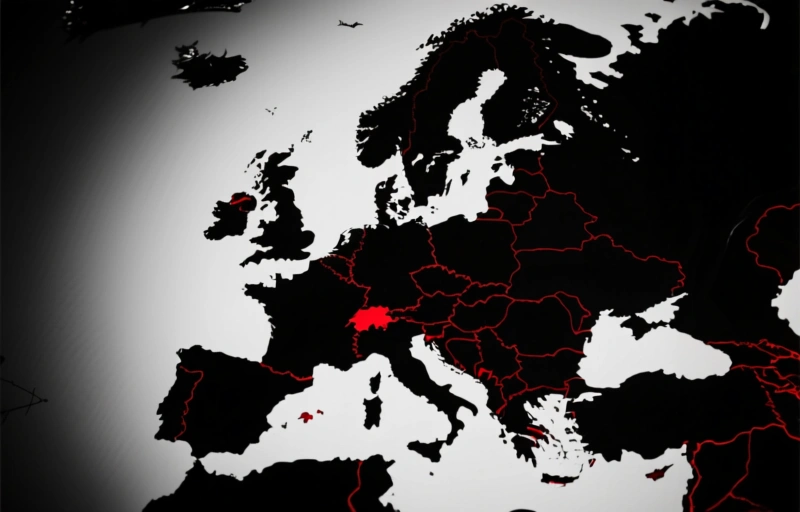
### What Could Real Alternatives Look Like?
The vision isn't necessarily to create a single "European Visa." It might be more about fostering an ecosystem where multiple, interoperable solutions can thrive. Think of it like a highway system—different car brands (payment providers) all using the same roads (standards and infrastructure).
This could include boosting existing bank-led initiatives, supporting fintech innovations, and ensuring new players have fair access to the market. The goal is choice, not just replacement.
One banking insider put it this way: "It's not about tearing down the old gates, but about building new bridges. We need options that are made in Europe, for European priorities."
### The Road Ahead for Professionals
If you're working in European payments, this is your cue to pay close attention. Policy shifts like this create waves. They influence where investment flows, what projects get greenlit, and what skills will be in demand.
We're likely to see increased regulatory support for European Payment Initiative (EPI) related projects. Funding and political will are aligning. The call from the top isn't just words—it's a direction.
The next few years will be crucial. Will wero gain the traction it needs? Will other contenders emerge? The push for autonomy is clear, but execution is everything. It's one thing to want alternatives; it's another to build ones that people actually choose to use every day.
This move underscores a broader trend: digital sovereignty. Europe wants to ensure its critical financial infrastructure isn't dependent on external players. It's a complex, long-term play, but the starting pistol has definitely been fired.