European Payments Scale-Up: Wero and DSP3
Alejandro Martínez ·
Listen to this article~4 min

European payments are scaling up with wero and DSP3. This post breaks down the EU payment system news, the push for cross-border interoperability, and what it means for fintech professionals in the US.
The European payments landscape is shifting fast. The recent newsletter from France FinTech, titled 'Scale Me Up Before You Go-Go,' dives into the EU payment system news that matters. We're talking about the push for real scale in cross-border payments and the arrival of DSP3.
### The Big Picture: European Payments in 2026
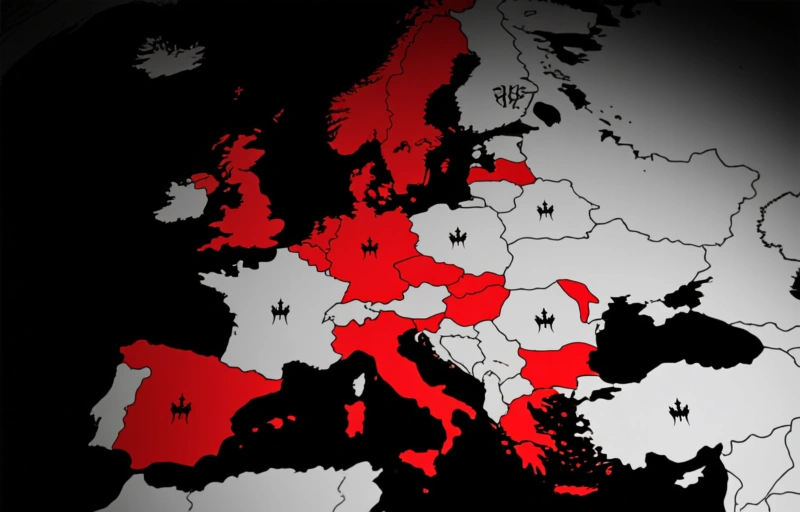
Europe has long been a patchwork of national payment systems. But now, the momentum is toward a single, unified market. The key driver? The European Payments Initiative (EPI) and its new brand, wero. This is not just another app. It's a strategic move to reduce reliance on non-European card networks and build a homegrown solution for instant, account-to-account payments.
Think of it this way: right now, paying a friend in Germany from France often requires a different platform or card network. Wero aims to make that as seamless as sending a text. It's about creating a 'European payment culture' that works across borders without friction.
### What DSP3 Means for the Industry
The Digital Services and Payments Package (DSP3) is the regulatory backbone for this transformation. It's designed to open up the market, encourage competition, and improve security. For professionals tracking EU payment system news, DSP3 is the rulebook that will shape how wero and other platforms operate.
Key aspects of DSP3 include:
- **Open banking requirements:** Banks must share customer data with third-party providers (with consent), enabling new services.
- **Strong customer authentication (SCA):** Making online payments more secure without killing user experience.
- **Liability shifts:** Clarifying who pays when fraud happens, pushing all players to invest in better security.
This isn't just regulatory paperwork. It's the foundation for a more competitive, innovative payments ecosystem in Europe.
### Wero: The Frontline of Change
Wero is the practical example of these trends. It's a digital wallet and payment system built on the EPI infrastructure. Unlike existing solutions, wero is designed from the ground up for European interoperability. It works with instant payments, so money moves in seconds, not days.
For businesses and consumers, this means lower costs and faster settlements. For the fintech community, it's a signal that the old ways are ending. The 'scale me up' call in the original newsletter is exactly right: wero needs mass adoption to succeed. Without it, we risk staying fragmented.
### The Secondary Market for Unlisted Assets
Another topic in the newsletter is the secondary market for unlisted assets. This is a quieter but equally important trend. As private equity and venture capital grow, liquidity for these assets becomes critical. New infrastructure is emerging to let investors trade stakes in private companies more easily.
This connects back to payments because the same technology that enables instant payments can also power instant settlement for asset trades. The future is real-time, everywhere.
### What This Means for US-Based Professionals
If you're in the US tracking European payments news, these developments are not just a European story. They create new opportunities for cross-border partnerships, technology licensing, and investment. The US fintech scene can learn from Europe's push for interoperability and regulatory clarity.
In short, Europe is building a payments system for the 21st century. Wero and DSP3 are the tools. The question is: will they achieve the scale needed to compete globally?
The original newsletter title, '#287,' captures just one snapshot in an ongoing revolution. But the message is clear: scale up before you go-go.