Klarna's Lessons for European Payment Innovation
Michael Miller ·
Listen to this article~4 min
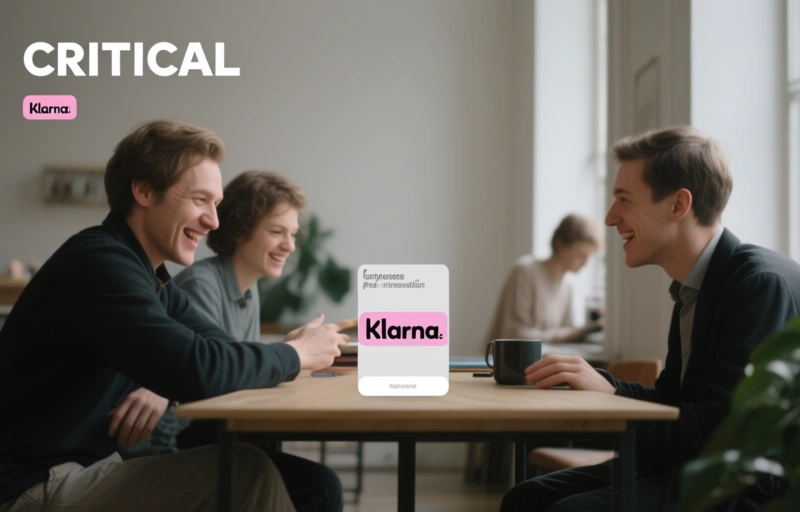
What can European payment systems learn from Klarna's success? Discover key insights about user experience, consumer psychology, and practical innovations shaping the future of payments across Europe.
Let's talk about European payments for a minute. The landscape is shifting faster than ever, and honestly, it can feel overwhelming. New regulations, emerging technologies, and changing consumer expectations are all colliding at once. But here's the thing - we don't have to figure this out alone. Sometimes the best lessons come from watching what's already working elsewhere in the market.
Take Klarna, for example. They've become something of a phenomenon in the payment space, haven't they? While they're not strictly a European payment system in the traditional sense, their impact on how consumers think about transactions is undeniable. And that's where we can start learning.
### What Klarna Gets Right About User Experience
Klarna's success isn't about complex financial engineering. It's about something much simpler - understanding what people actually want from a payment experience. They recognized that traditional checkout processes were creating friction at the worst possible moment. Just when someone was ready to buy, they'd hit a wall of forms, redirects, and security checks.
What did Klarna do differently? They made paying feel effortless. One-click purchases, transparent installment options, and a clean interface that doesn't make you feel like you're navigating a bureaucratic maze. It sounds obvious when you say it out loud, but how many payment systems still feel like they were designed for accountants rather than actual humans?
### The Psychology Behind Payment Choices
Here's where it gets interesting. Klarna tapped into something fundamental about consumer psychology. People don't just want to complete transactions - they want to feel in control of their financial decisions. By offering flexible payment options upfront, they're giving customers agency. It's not about encouraging debt; it's about providing transparency and choice.
Think about your own experiences. When you see "pay in 30 days" or "split into 4 interest-free payments," doesn't that feel different from just seeing a total amount due? It changes the mental calculation. Suddenly, a purchase feels more manageable, more considered. That psychological shift is powerful, and it's something European payment providers should be paying attention to.
### Key Takeaways for European Payment Systems
So what can we actually learn from Klarna's approach? Let's break it down:
- **Simplicity wins**: Complicated processes drive abandonment. Streamline everything.
- **Transparency builds trust**: Hidden fees and unclear terms destroy confidence.
- **Flexibility matters**: One-size-fits-all payment options don't work for everyone.
- **Mobile-first isn't optional**: If your payment system isn't optimized for phones, you're already behind.
As one industry observer recently noted, "The best payment systems are the ones you don't notice. They just work."
### Looking Ahead: The Future of European Payments
Where does this leave traditional European payment systems? In a fascinating position, actually. They have the infrastructure, the regulatory knowledge, and the established trust that newer players are still building. What they need to borrow from companies like Klarna is that relentless focus on the end-user experience.
Imagine if SEPA payments felt as smooth as buying something with Klarna. Or if cross-border transactions within the EU were as simple as splitting a purchase into installments. The technology exists - it's about prioritizing the human element in the equation.
The European payment landscape is evolving, and that's exciting. We're seeing new initiatives emerge, from instant payment systems to digital euro explorations. But as we build these new frameworks, let's remember the fundamental lesson from companies that have captured consumer attention: people don't love payment systems. They love what those systems enable - seamless, stress-free transactions that let them focus on what actually matters.
So here's my challenge to everyone working in European payments: Look at what's working in the market. Not to copy it blindly, but to understand why it resonates. Then ask yourself - how can we apply those insights to create payment experiences that feel effortless, transparent, and genuinely helpful? Because at the end of the day, that's what will define the next generation of European payment innovation.