Ukraine Advances Toward SEPA Accession with EU Talks
Michael Miller ·
Listen to this article~4 min
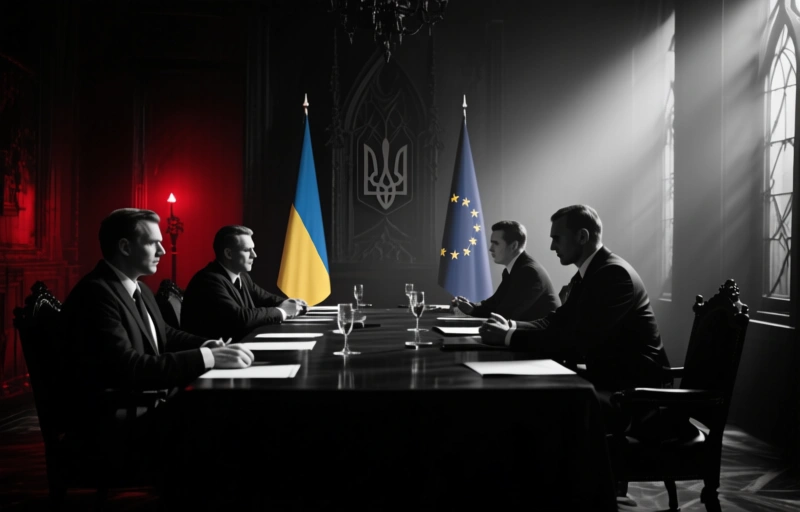
Ukraine moves closer to SEPA integration as key discussions with the European Commission progress on the crucial draft law framework for euro payments alignment.
Here's some news that's been buzzing around European payments circles lately. Ukraine is taking a significant step toward joining the Single Euro Payments Area (SEPA). It's a move that could reshape financial connectivity in the region.
Danylo Hetmantsev, a key figure in Ukraine's financial strategy, recently held discussions with representatives from the European Commission. The talks centered on a crucial piece of legislation: draft law No. 14327. This isn't just another bureaucratic document—it's the legal framework that could pave Ukraine's way into SEPA.
### What SEPA Accession Really Means for Ukraine
Let's break this down simply. SEPA isn't just about making euro payments easier. It's about integration. For Ukrainian businesses and citizens, accession would mean faster, cheaper, and more transparent euro transfers to and from the EU. Think of it as removing a financial border that currently adds cost and complexity to every transaction.
Right now, sending euros from Kyiv to Berlin involves intermediary banks, extra fees, and longer processing times. SEPA changes that game entirely. It creates a level playing field where a payment within Ukraine could eventually be as straightforward as one between Frankfurt and Paris.
### The Roadmap Through Draft Law No. 14327
So what's in this draft law that's so important? Essentially, it's Ukraine's homework assignment from the EU. To join SEPA, a country needs to align its national payment systems with European standards. That means updating regulations, ensuring technical compatibility, and establishing the right oversight mechanisms.
The discussions Hetmantsev had with the European Commission weren't just a formality. They were a technical deep-dive into whether Ukraine's proposed legislation hits all the right marks. The EU doesn't just want promises—it wants to see concrete legal frameworks that will actually work in practice.
This process reminds me of preparing for a major exam. You don't just show up and hope for the best. You study the material, you get feedback from teachers, and you make sure your answers match what's expected. That's exactly what these negotiations represent for Ukraine's financial integration ambitions.
### Why This Matters Beyond Payments
We shouldn't view this as merely a technical banking issue. Ukraine's potential SEPA accession carries much broader significance:
- **Economic Integration**: It's a tangible step toward deeper economic ties with the European Union
- **Business Confidence**: For international companies operating in Ukraine, it reduces currency risk and operational friction
- **Citizen Benefits**: Ukrainian workers in the EU could send money home more cheaply and reliably
- **Strategic Alignment**: It demonstrates Ukraine's commitment to European standards and systems
One banking professional I spoke with recently put it this way: "SEPA isn't just about payment rails. It's about trust. When your systems can talk directly to European systems without translation layers, you're part of the club."
### The Challenges Ahead
Let's be realistic though. This isn't going to happen overnight. Even after the draft law passes, there's implementation work. Ukrainian banks will need to upgrade their systems. Regulatory bodies will need to build new monitoring capabilities. And the European Payments Council will need to conduct its formal assessment.
But here's what's encouraging: the conversation is happening at the highest levels. When Hetmantsev sits down with European Commission representatives, it signals serious commitment from both sides. This isn't theoretical anymore—it's moving into the practical planning phase.
For payments professionals across Europe, this development is worth watching closely. Ukraine represents a substantial economy, and its integration into SEPA would expand the system's reach significantly. It would create new corridors for trade, investment, and remittances that currently face unnecessary friction.
The next steps will likely involve more technical discussions, potential revisions to the draft law, and eventually, a formal application process. Each milestone will bring Ukraine closer to that seamless euro payments environment that businesses and citizens have been hoping for.
What's clear is that the momentum is building. In a world where financial connectivity matters more than ever, Ukraine's push toward SEPA represents both practical progress and symbolic significance. It's about building bridges—not just between banking systems, but between economies and people.